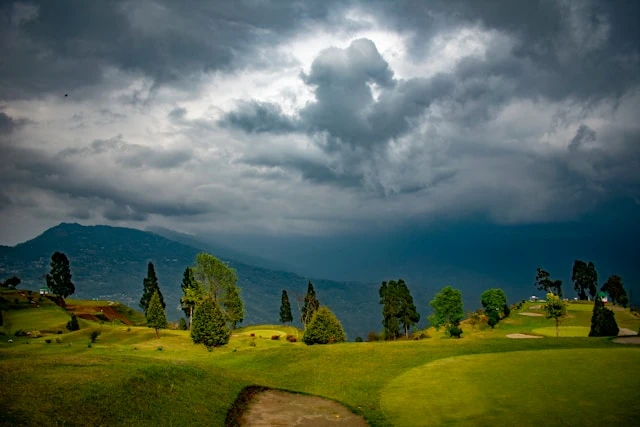
Nestled in the misty hills of the Eastern Himalayas, Kalimpong is a peaceful hill town that charms visitors with its relaxed atmosphere, scenic landscapes, and rich cultural heritage. Located at an altitude of around 1,250 meters, this picturesque destination is ideal for travellers looking to slow down, breathe fresh mountain air, and reconnect with nature.
The journey to Kalimpong itself is a visual delight. As you follow the course of the Teesta River and ascend into the hills, rolling tea gardens stretch across the slopes, dotted with colourful flowers and forested valleys. The cool, fragrant breeze and serene surroundings create a soothing escape from the rush of everyday life.
Kalimpong’s story spans centuries and is deeply rooted in the traditions of the Lepcha and Bhutia communities, the original inhabitants of the region. The town’s name is believed to have originated from the Lepcha term “Kalim-pung,” meaning “flat land.” Over time, Kalimpong evolved into a cultural crossroads influenced by British colonial presence, Tibetan trade routes, and Bhutanese traditions.
Kalimpong is a paradise for nature lovers and adventure seekers. A visit to Deolo Hill rewards travellers with sweeping views of the surrounding valleys and, on clear days, the snow-clad Kanchenjunga range. The area also offers activities like paragliding, horse riding, and short nature walks.
Another peaceful viewpoint is Durpin Dara Hill, a quieter alternative that offers stunning sunrise and sunset views. Its calm setting makes it perfect for picnics and photography away from crowds.
For those seeking serenity, Dr Graham’s Homes provides a beautiful retreat with landscaped gardens and colonial-era buildings. Walking through this historic institution offers a glimpse into Kalimpong’s past while enjoying its tranquil surroundings.
Kalimpong’s cultural soul is best experienced at the Zang Dhok Palri Phodang Monastery, one of the most significant Buddhist monasteries in the region. Known for its striking architecture and sacred scriptures, the monastery offers visitors a chance to witness traditional rituals, prayer chants, and a deeply spiritual atmosphere.
The local markets reflect Kalimpong’s multicultural identity, blending Nepali, Tibetan, and Bhutanese influences. From handmade crafts to warm bowls of momos and local delicacies, the markets are a delight for shoppers and food lovers alike.
For thrill seekers, river rafting on the Teesta River is an unforgettable experience. Located near Teesta Bazaar, around 45 km from Kalimpong, the rafting stretch features rapids ranging from Grade II to IV. Suitable for both beginners and experienced rafters, rafting here is best enjoyed between March and June and from September to November, when river conditions and weather are ideal.
One of Kalimpong’s most fascinating attractions is the Kalimpong Cactus Nursery, home to more than 3,000 species of cacti and succulents from across the globe. Established by renowned horticulturist Sukra Mukhia, this nursery showcases an extraordinary variety of plant forms and colours.
Nearby destinations like Pedong and Relli Valley offer scenic drives through lush countryside, traditional villages, and roadside tea stalls that serve authentic local flavours.
Travellers interested in rural culture and forest landscapes can visit Lava and Loleygaon, charming hill villages surrounded by dense forests. Located just an hour apart, these destinations offer stunning views, peaceful trails, and an authentic mountain lifestyle.
Kalimpong is also surrounded by tea estates producing some of the finest Darjeeling teas. Visitors can explore the plantations, observe tea plucking, and enjoy freshly brewed tea amidst breathtaking scenery.
The nearest airport to Kalimpong is Bagdogra Airport, approximately 75 km away, with regular flights from cities like Delhi, Kolkata, and Guwahati. From Bagdogra, taxis and shared vehicles take about 3 hours to reach Kalimpong.
The closest railway station is New Jalpaiguri (NJP), located around 72 km away. Kalimpong is well connected by road to Siliguri, Sikkim, and other parts of Northeast India. The drive offers stunning mountain views, though roads are narrow and winding, making daytime travel the safest and most enjoyable option.
 Manali
 Kerala
 Kashmir
 Spiti Valley
 Dharamshala
 Shimla
 Ladakh
 Bir Billing
 Dalhousie
 Kasol
Kasol
 Tirthan & Jibhi
 Meghalaya
 Tawang
 Uttrakhand
 Sikkim
 Bhutan